

In short
- Football figure toys come in three main types: mini collectable figures, big-head figures and larger action figures.
- Mini figures are the most popular with children aged 6-10, because they’re cheap to collect and easy to swap.
- Most figures have small parts, so keep them away from toddlers and check the age label.
- A shelf, a display box or a “stadium” made from a shoebox turns a pile of figures into a collection they’re proud of.
Some children collect stickers. Some collect cards. And some want the players themselves, lined up on a shelf in their club’s kit.
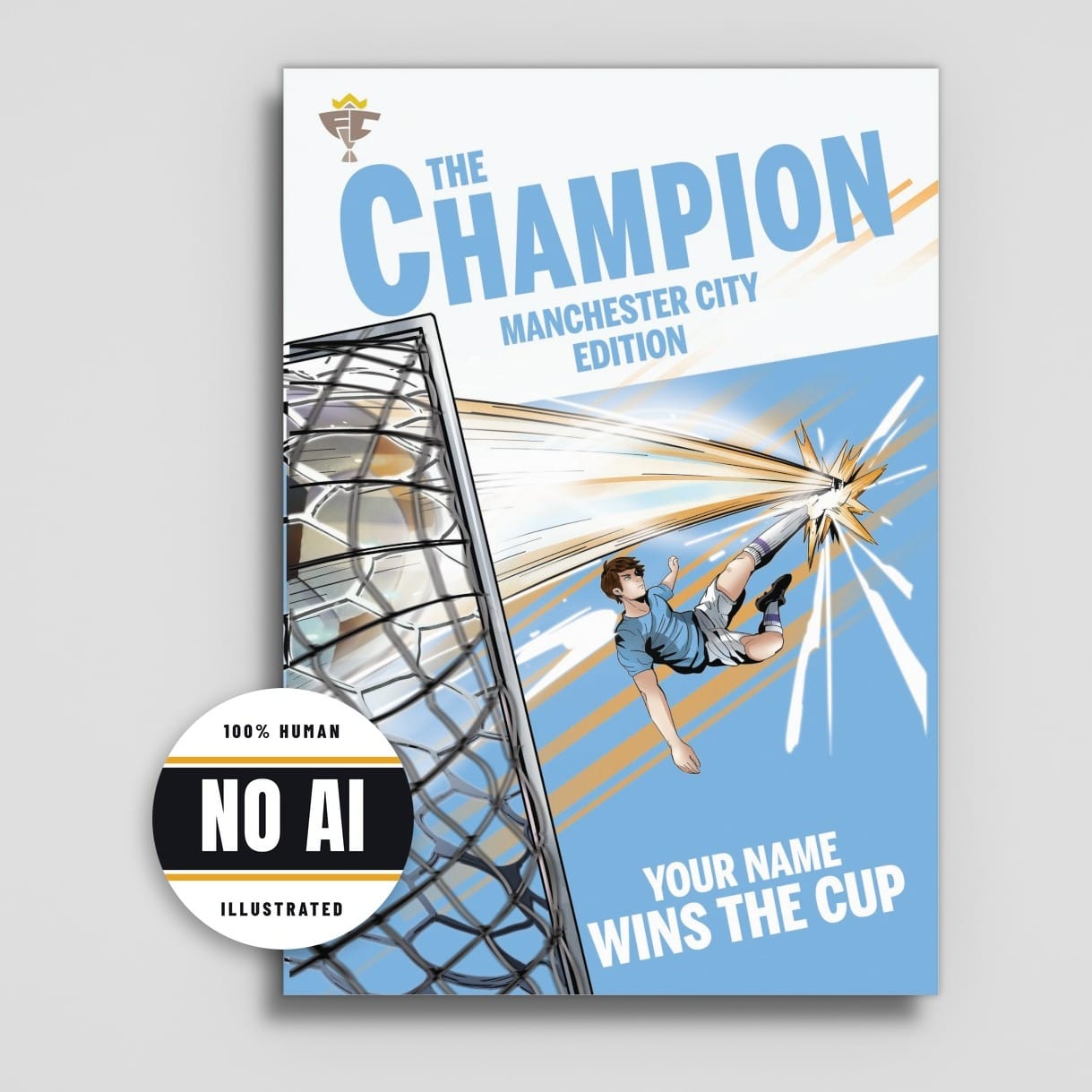 Make them the star of their club's storyA personalised, hand-drawn football book for more than 100 clubs. £24.95Find their club
Football figure toys tick all the boxes for a football-mad child: they’re collectable, they’re playable and they look great on a bedroom shelf. This guide covers the main types, what age they suit, and how to make the most of a growing collection.
What are football figure toys?
Football figure toys are small models of footballers, usually in a club or national team kit. Some are based on real players, others are generic figures in team colours.
They range from tiny figures a few centimetres tall to larger, poseable action figures. Most are sold singly or in small packs, which is a big part of the appeal. There’s always one more to find.
For a wider look at what to buy a football fan, see our guide to the best football toys by age.
What kinds of football player toys and figures are there?
There are three main kinds of football player toys and figures: mini collectables, big-head figures and action figures. Each suits a slightly different child.
| Type | Size | Best for |
|---|---|---|
| Mini collectable figures | Small, often under 5cm | Collectors aged 6-10, swapping with friends |
| Big-head figures | Small to medium, oversized heads | Display on a shelf or desk |
| Action figures | Larger, poseable | Imaginative play, recreating matches |
Mini football figures are usually the cheapest and most collectable. Action figures cost more but are built for play, with moving arms and legs.
How do you compare football figures before buying?
Four things decide whether a figure gets played with or shelved:
- Scale. Collectable figures, action figures and table-football players are all different sizes, and mixing them annoys a child more than adults expect.
- Poseability. A figure with moving joints gets played with; a solid moulded one gets displayed.
- Whether it is part of a set. The collecting instinct needs a series behind it.
- Whether it plays a game. Subbuteo, the table football game of flicking miniature players, is the version that turns figures into an actual match.
We do not list prices here because they move constantly and vary by retailer. Check the current price before buying rather than trusting a guide written months ago.
Mini football figures: the collecting bug
Mini football figures work a lot like football cards. You buy a pack, see who you’ve got and start hunting for the rest of the squad.
That collecting habit is a big part of the fun. Children love to:
- Complete their club’s squad
- Swap doubles with friends at school
- Line up a full starting eleven in formation
- Track down the one rare player nobody else has
If your child is already into collecting, they may love a card collection too. Our guide to the Match Attax advent calendar is a good place to start.
Are football toys with big heads good for kids?
Yes, football toys with big heads are good for kids who like to collect and display, rather than play rough. Big head football toys have oversized heads on small bodies, which gives them a cartoon look most children find funny and charming.
They’re usually made to stand up on their own, so they’re ideal for a bedroom shelf or a desk. Some come with a small stand or base in team colours.
They’re less suited to rough play. The heads and stands can come off if they’re dropped often, so they’re better for a slightly older child who looks after their things.
What age are football figure toys for?
Most football figure toys are aimed at children aged 5 and over. The figures are small, and many have parts that can come away, so they’re not a good fit for toddlers.
RoSPA’s toy safety advice is to always check the age range on the label, because children under three are at greater risk of choking on small parts. If there’s a toddler in the house, keep the collection on a high shelf.
As a rough guide:
- Aged 5-6: a few chunky figures or a small action figure for play.
- Aged 7-10: mini collectable figures, which is when collecting really takes off.
- Aged 10 and over: big-head figures and display pieces for the bedroom.
How do you display a football figure collection?
The easiest way to display a football figure collection is on a narrow shelf, lined up in team formation. Children love seeing a full starting eleven at eye level.
A few more ideas:
- A clear display box with small compartments, so each figure has a spot.
- A shoebox stadium. Paint the inside green, draw on the pitch lines and use it as a home ground.
- A floating shelf above the bed in club colours.
Displays like these work well as part of a themed room. Our football bedroom ideas guide has plenty more.
Football players toys they can actually play with
Figures don’t have to stay on the shelf. Many children use their football players toys to recreate big matches, commentary and all.
A few games to try:
- Tabletop football. Two teams of figures, a marble or small ball, and a pitch drawn on paper. Flick to pass, flick to shoot.
- Penalty shootouts. Line up five takers each and take turns, with a figure in goal.
- Your own league. Give each set of figures a team name and keep a league table on the fridge.
For younger children, keep the rules loose. A 6-year-old will happily invent a match where their favourite player scores eight goals, and that’s half the fun. Older children often want proper rules, fixtures and even a cup draw pulled out of a hat.
These games are great for rainy days and for sharing with a sibling or friend. They’re also an easy way to turn a collection into something the whole family joins in with.
Football action figures as gifts
Football action figures toys make good main presents for younger children, and mini figures make great stocking fillers. A single pack or two in a stocking is a small, exciting extra on Christmas morning.
For more small ideas like this, see our stocking fillers guide.
The figure that looks exactly like them
Every collection is missing one player: your child.

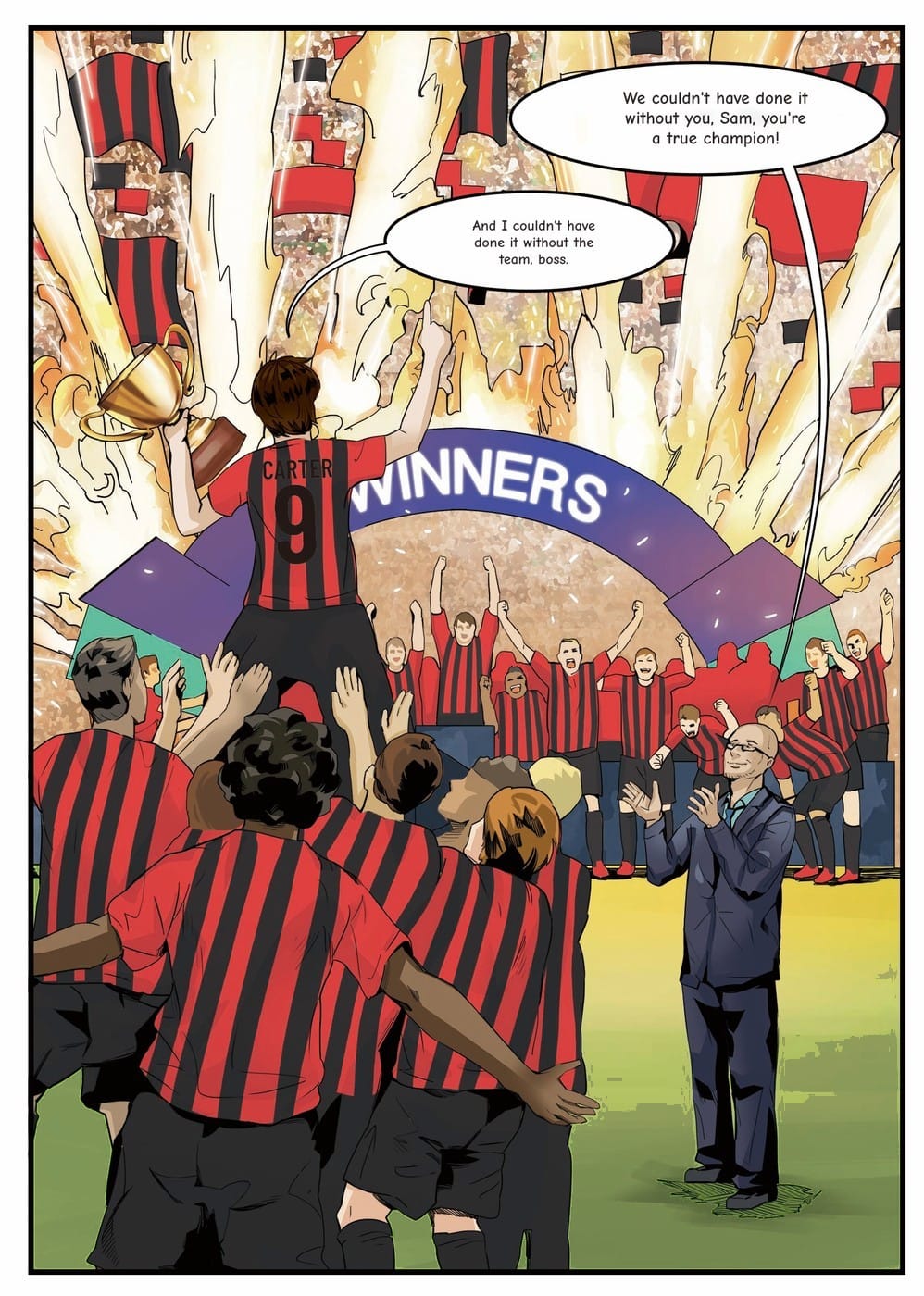
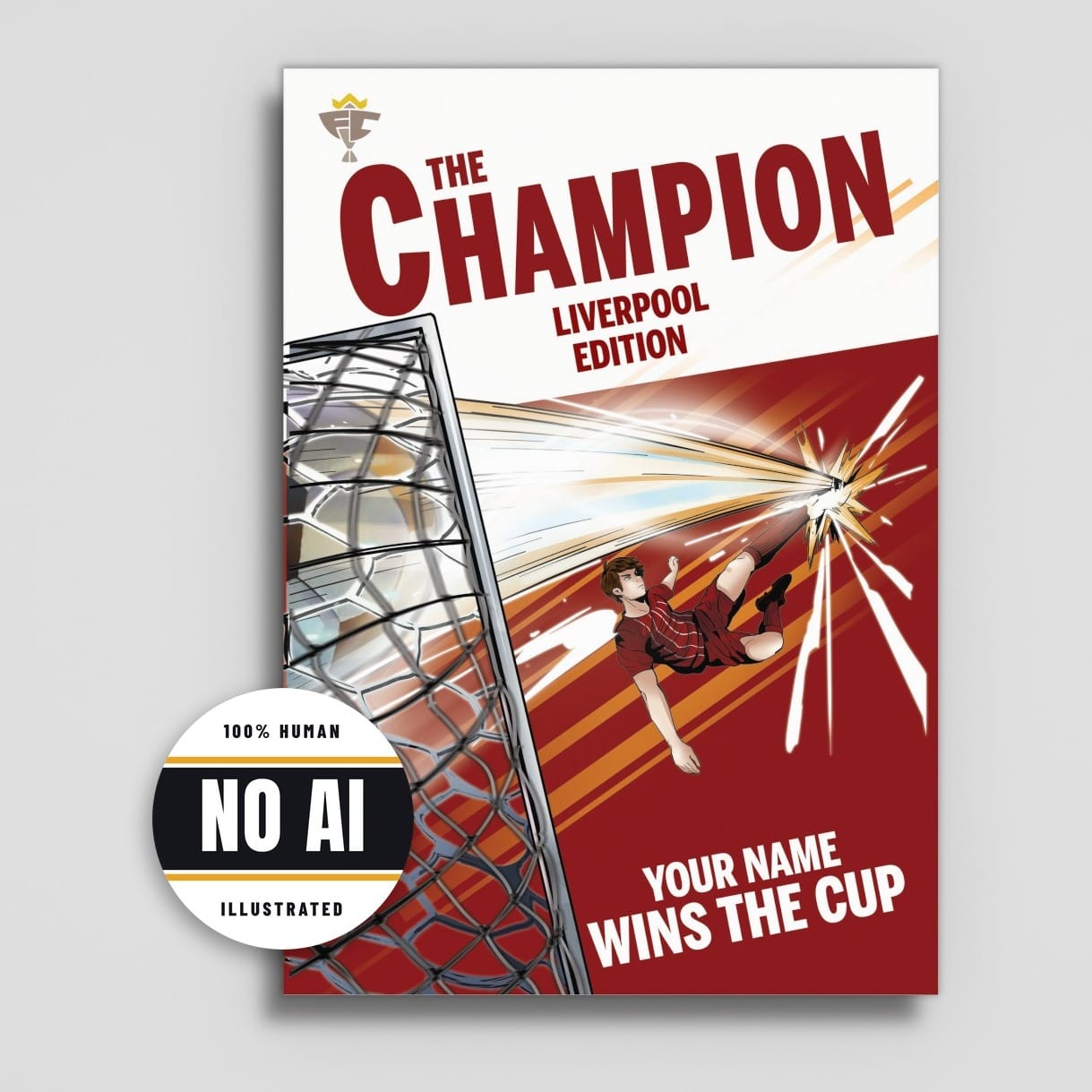
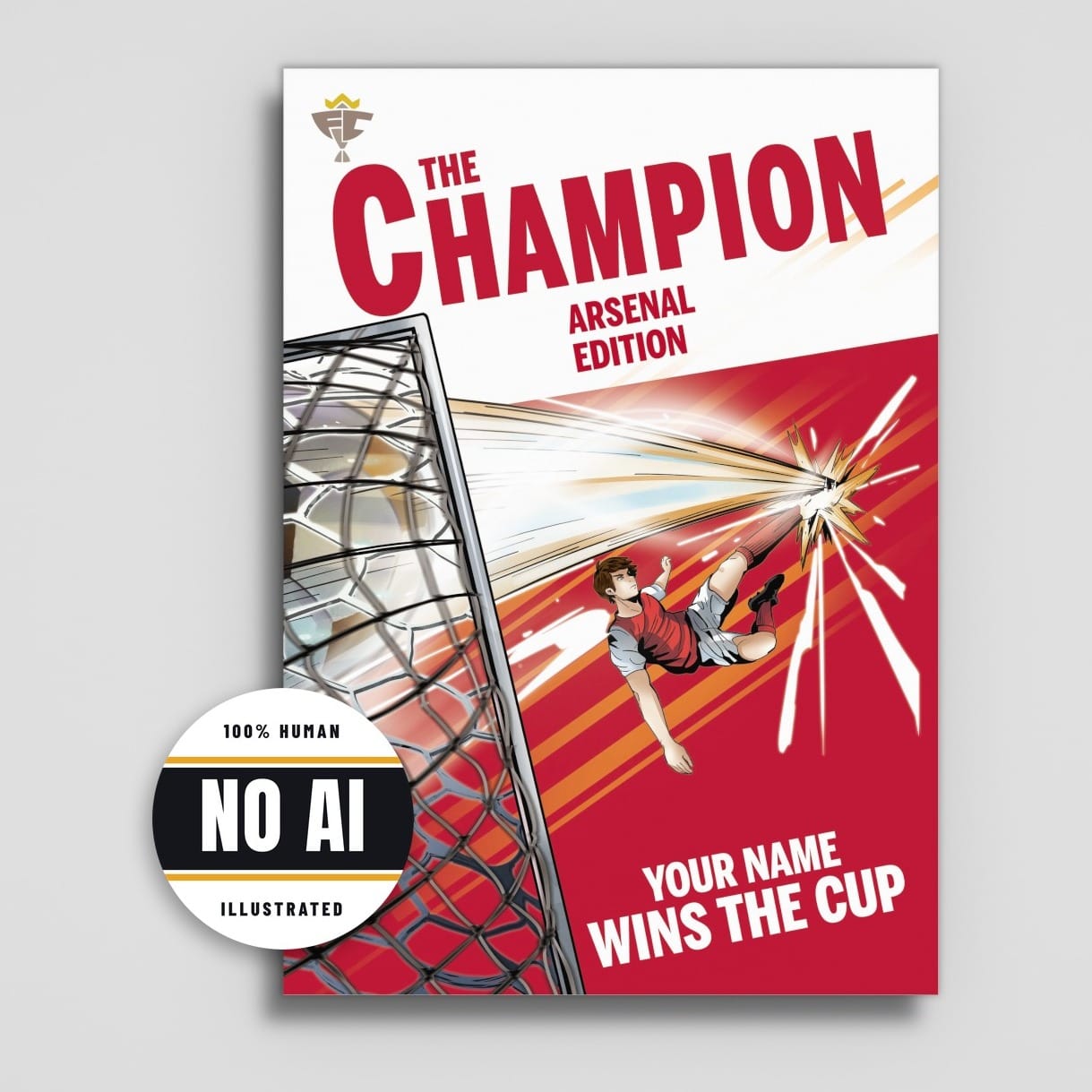
Our personalised football books put them in their club’s kit, with their own name and shirt number, playing alongside the team. You choose their hair colour, skin tone and eye colour, so the hero on the page really looks like them. Choose their name, their look, their club. We do the rest.
Every illustration is hand-drawn by a real artist. No AI, ever. It’s the star signing their figure collection has been waiting for.
Also worth a look: our football toys guide.
More than 100 clubs
Make them the star of their club's story
- Their name and shirt number on the cover
- Hair colour, skin tone and eye colour to match them
- Your own message printed inside
- Every page hand-drawn by a human artist, with no AI artwork
For ages 5 to 12. Made to order for your child.
Frequently Asked Questions
What are football figure toys? Football figure toys are small models of footballers, usually in a club or national team kit.
What kinds of football player toys and figures are there? There are three main kinds of football player toys and figures: mini collectables, big-head figures and action figures.
How do you compare football figures before buying? Four things decide whether a figure gets played with or shelved:
Are football toys with big heads good for kids? Yes, football toys with big heads are good for kids who like to collect and display, rather than play rough.