
The gist
- Eleven players take the field, so the twelfth man is the crowd.
- The phrase is defined in the game’s own glossary.
- Some clubs have retired the number twelve in honour of their supporters.
- It is a description of home advantage, not a figure of speech invented by marketing.
Every child asks the same follow-up question, which is whether the twelfth man is allowed to touch the ball.
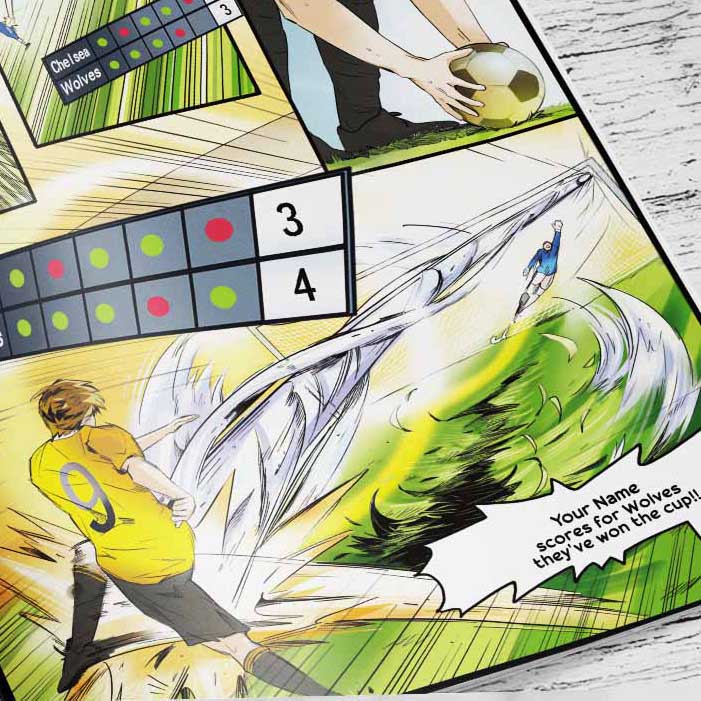
 Make them the star of their club's storyA personalised, hand-drawn football book for more than 100 clubs. £24.95Find their club
What does twelfth man mean?
The supporters. The glossary defines the twelfth man as the fans present at a match, particularly when the noise they make gives the team extra motivation.
Eleven players start. The phrase simply counts the people in the stands as the next one.
Why does the twelfth man make a difference?
Because home advantage is real and has to live somewhere. Crowd noise affects decisions, lifts tired legs and shortens the gap between a team and the result they want.
Our source on football culture covers the rituals that build that noise, and our piece on tifo deals with the visual half of it.
Do clubs mark it formally?
Some do, by retiring the shirt. Our source on retired numbers records that teams in eleven-a-side sports have taken number twelve out of use in honour of their fans.
It is the only number in football that can be retired for people who never played.
Which stands are famous for it?
The ones that got a name. A terrace loud enough to be spoken about as a unit becomes part of the club’s identity, as our explainer on the Kop describes.
Our guide to squad numbers looks at what twelve usually means otherwise.
Does it work in junior football?
Surprisingly well, in the right form. Encouragement helps, instructions do not, and a touchline of twenty adults shouting different things is the opposite of a twelfth man.
In the stands, in the story
A parent can be written into our personalised football books alongside the player.
The obvious next questions, turnstile operators and inswinging corners, have guides of their own.


More than 100 clubs
Make them the star of their club's story
- Their name and shirt number on the cover
- Hair colour, skin tone and eye colour to match them
- Your own message printed inside
- Every page hand-drawn by a human artist, with no AI artwork
For ages 5 to 12. Made to order for your child.
Common questions
Who is the twelfth man? The supporters at the match.
Where is it defined? In the game’s own glossary.
Do clubs retire the number? Some do, in honour of their fans.
Does it help? Noise is a real part of home advantage.