
In this guide
Why would anyone take power off a shot on purpose? That is the question every child asks the first time somebody suggests they chip a goalkeeper, and the answer is that the goalkeeper has already made the decision for them.
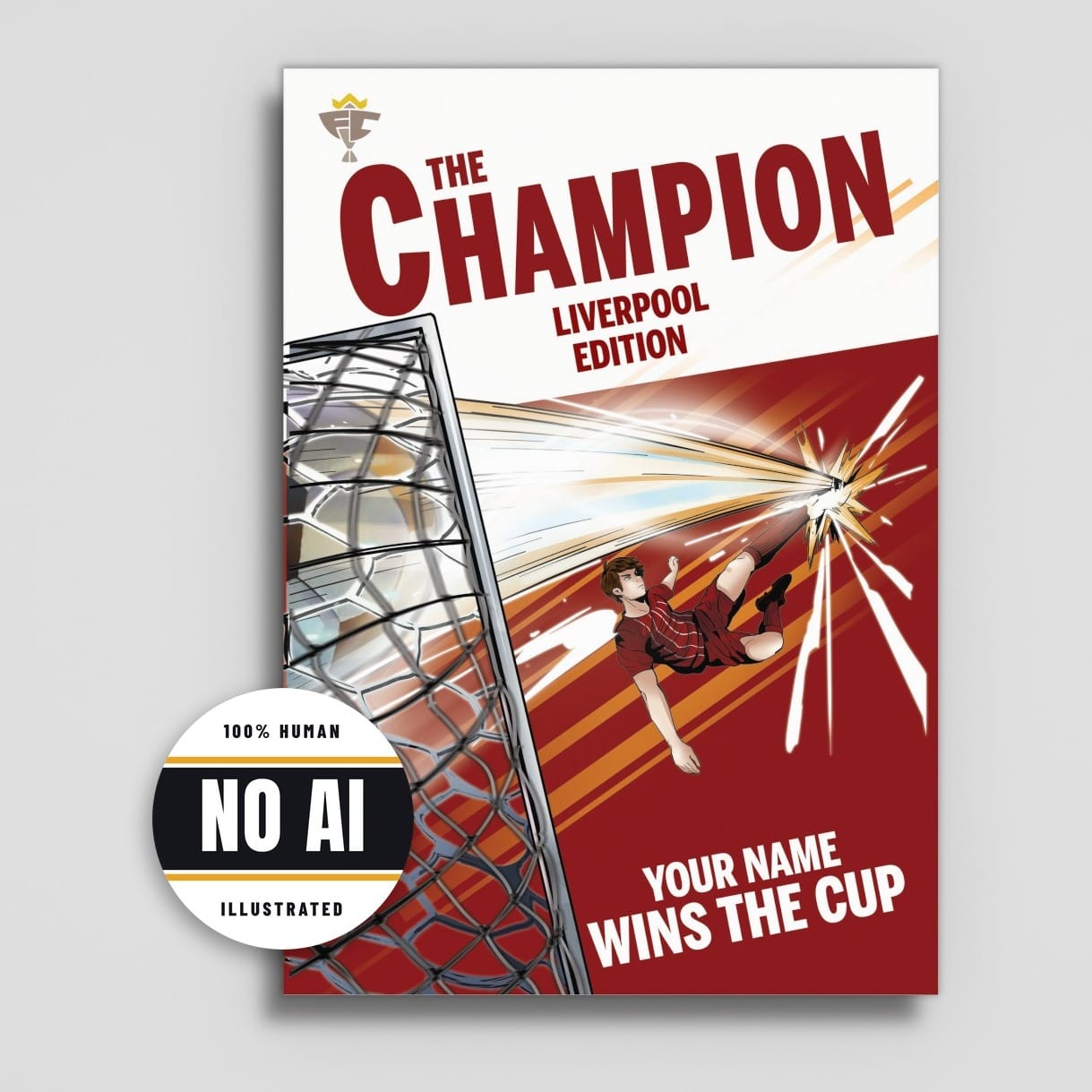
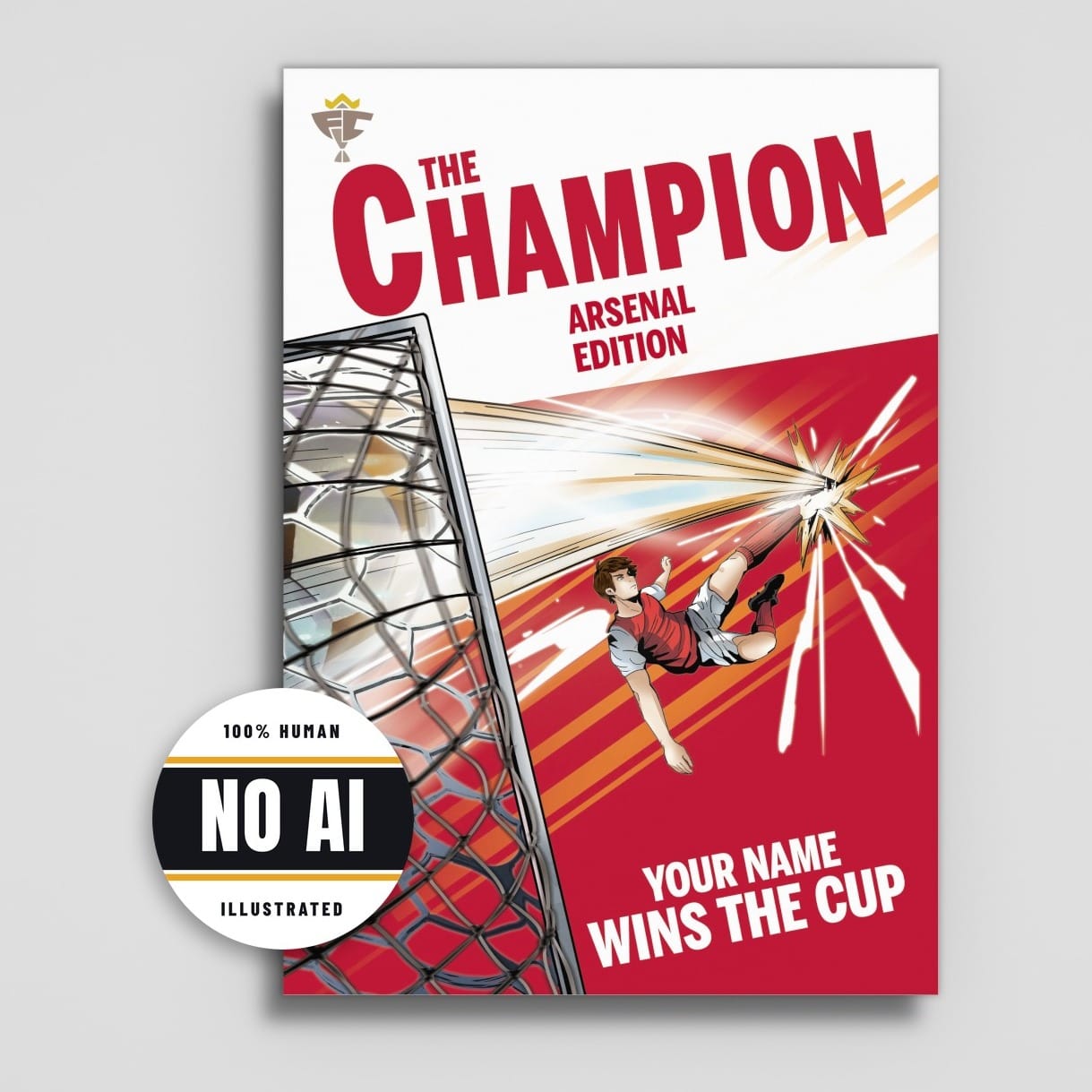
 Make them the star of their club's storyA personalised, hand-drawn football book for more than 100 clubs. £24.95Find their club

What does it mean to chip a goalkeeper?
To lift the ball over them with a soft, high kick. A chip, also called a lob, is struck from underneath with accuracy rather than maximum force, either to pass over opponents or to score over the goalkeeper.
The ball needs to rise fast and drop faster.
When should you chip a goalkeeper?
Only when they have come off their line. A goalkeeper standing on the six yard line leaves nothing to chip into, and one who has rushed out thirty yards leaves an empty net behind them.
Our explainer on the sweeper keeper sets out why modern goalkeepers spend so much time out of their box.
How is the contact made?
Underneath the ball, with a stabbing motion. The toe or the instep goes beneath it, the ankle stays firm, and the follow-through is deliberately short.
A long follow-through drives the ball. Stopping the foot is what makes it climb.
Why does it go wrong so often?
The margin is tiny. Too little lift and it is a comfortable save, too much and it clears the bar by ten yards, and the player has given up the certainty of a normal shot for either outcome.
Our guide to shooting deals with the alternative worth mastering first.
What can a goalkeeper do about it?
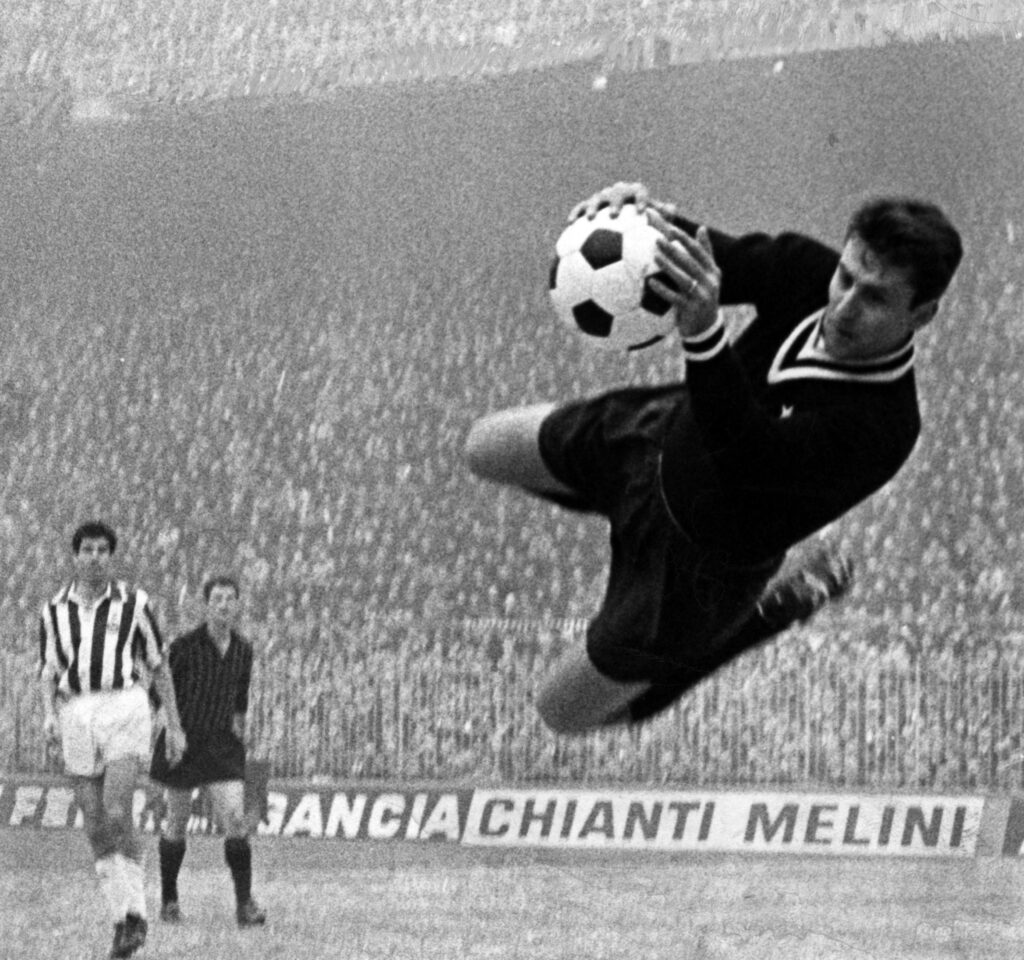
Stay taller for longer. Getting out quickly but stopping before diving in keeps the body upright and the hands available, as our piece on positioning explains, and the glossary is full of terms for keepers who got that balance wrong.
The goal they remember
A chip is the goal children replay in the garden for a fortnight, which is why our personalised football books deal in that kind of moment.
Two to read after this one: match ball tests and winter ball colours.
Short answers
What is a chip? A soft, high kick that lifts the ball over.
When do you use it? Only when the keeper has advanced.
How is it struck? Underneath, with a short follow-through.
Why is it risky? The margin between save and row Z is tiny.
More than 100 clubs
Make them the star of their club's story
- Their name and shirt number on the cover
- Hair colour, skin tone and eye colour to match them
- Your own message printed inside
- Every page hand-drawn by a human artist, with no AI artwork
For ages 5 to 12. Made to order for your child.
Frequently Asked Questions
What does it mean to chip a goalkeeper? To lift the ball over them with a soft, high kick. A chip, also called a lob, is struck from underneath with accuracy rather than maximum force, either to pass over opponents or to score over the goalkeeper.
When should you chip a goalkeeper? Only when they have come off their line. A goalkeeper standing on the six yard line leaves nothing to chip into, and one who has rushed out thirty yards leaves an empty net behind them.
How is the contact made? Underneath the ball, with a stabbing motion. The toe or the instep goes beneath it, the ankle stays firm, and the follow-through is deliberately short.
Why does it go wrong so often? The margin is tiny. Too little lift and it is a comfortable save, too much and it clears the bar by ten yards, and the player has given up the certainty of a normal shot for either outcome.