Sizes and paper
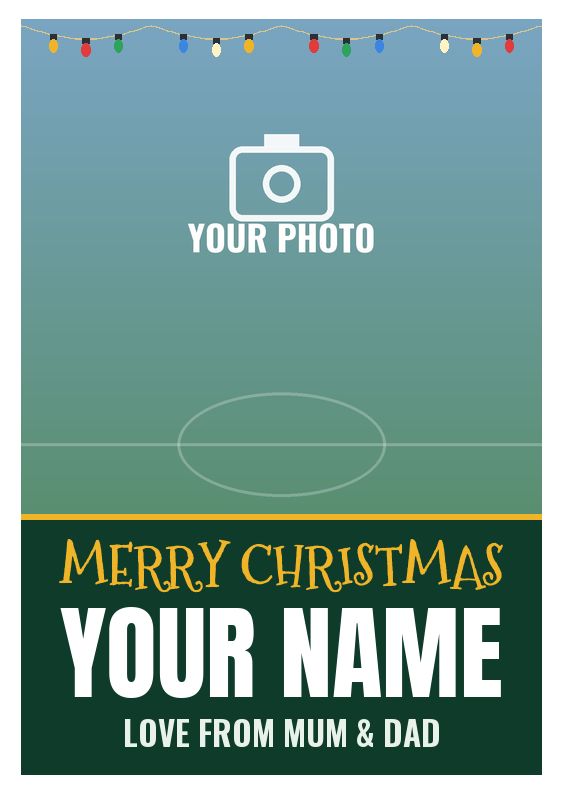
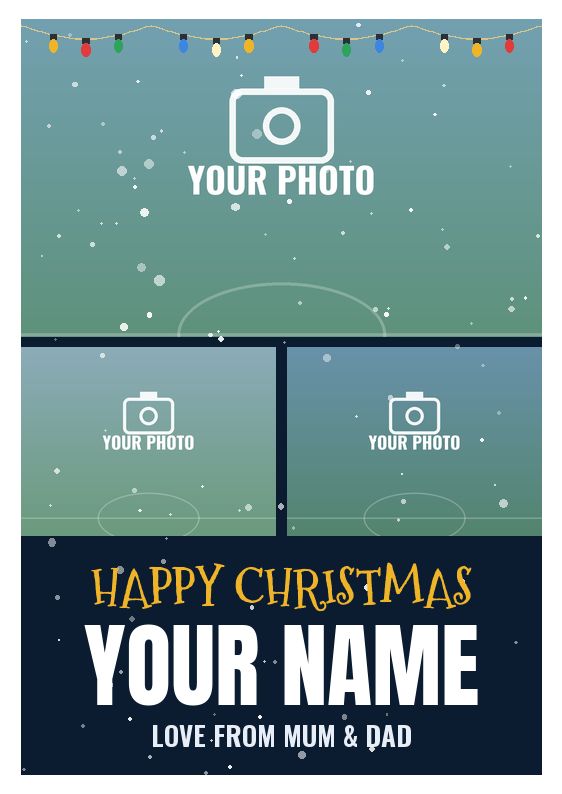
A6 is £2.95 and A5 is £3.95. Both are printed on proper card stock, not photo paper, and all four faces can carry your design. The inside is deliberately blank. A card with the message already printed in it is a card somebody else wrote.
Which clubs you can have
There are 108 clubs and countries in the studio: the Premier League, the Championship, both EFL divisions, the Scottish Premiership, the main European sides and the national teams. Pick the club and the colours follow automatically, so there is nothing to match by eye.
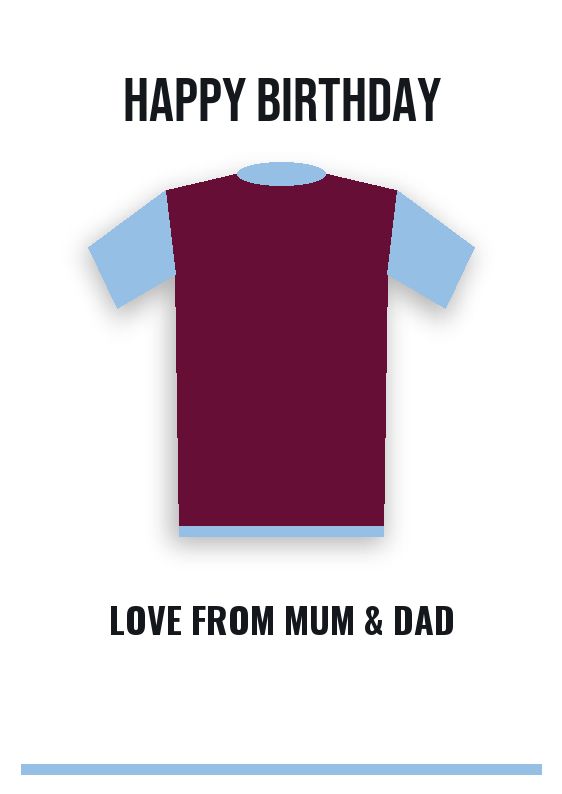
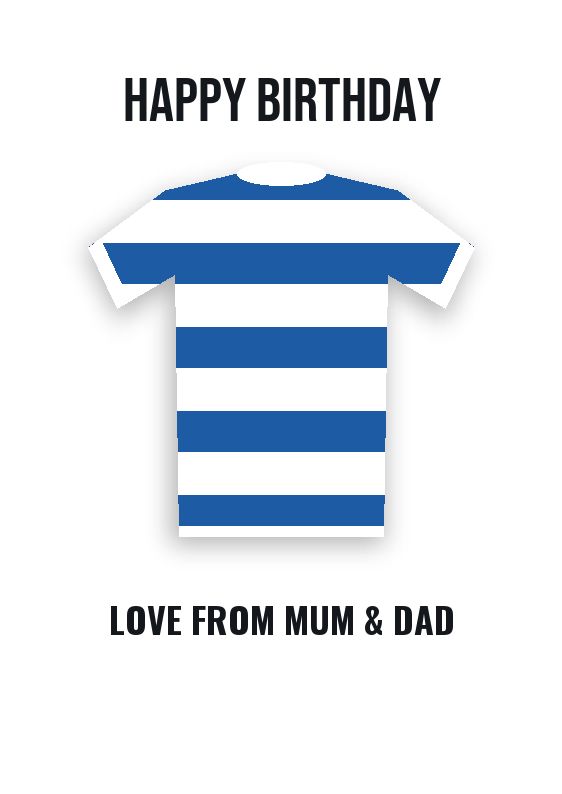
Shirts carry no crest. They are drawn in club colours and they are fan editions, not official merchandise.
What suits which age
Four to six year olds respond to the shirt and almost nothing else. The name has to be big, the number has to be a number they recognise, and detail is wasted on them. Seven to nine is the sweet spot: old enough to read their own surname across the shoulders, young enough to be delighted rather than embarrassed by it, and usually playing somewhere on a Saturday morning.
From ten upwards they get particular. A made-up squad number will be rejected if they already have a real one, the club has to be their club rather than the one an uncle decided on years ago, and photographs start beating cartoons. Thirteen and over is where the name-led designs earn their place, because they read as a graphic rather than as a children’s card.
A note on spelling and nicknames
Whatever goes on the shirt gets printed exactly as typed, so a nickname is fine and a typo is permanent. Shirt names traditionally use the surname, but for a child the first name is usually the better call because it is the one they answer to. If the family uses a shortened version at home, that is the one worth printing, not the version on the birth certificate.