
In short
- The Celtic kit history did not start with hoops at all.
- The first shirts were white with a green collar, and vertical stripes came next.
- The horizontal hoops were adopted in the early 1900s and never changed again.
- Celtic are one of very few major clubs in the world to use horizontal stripes.
Celtic’s hoops are among the most recognisable kits in world football, and they are the third design the club tried.
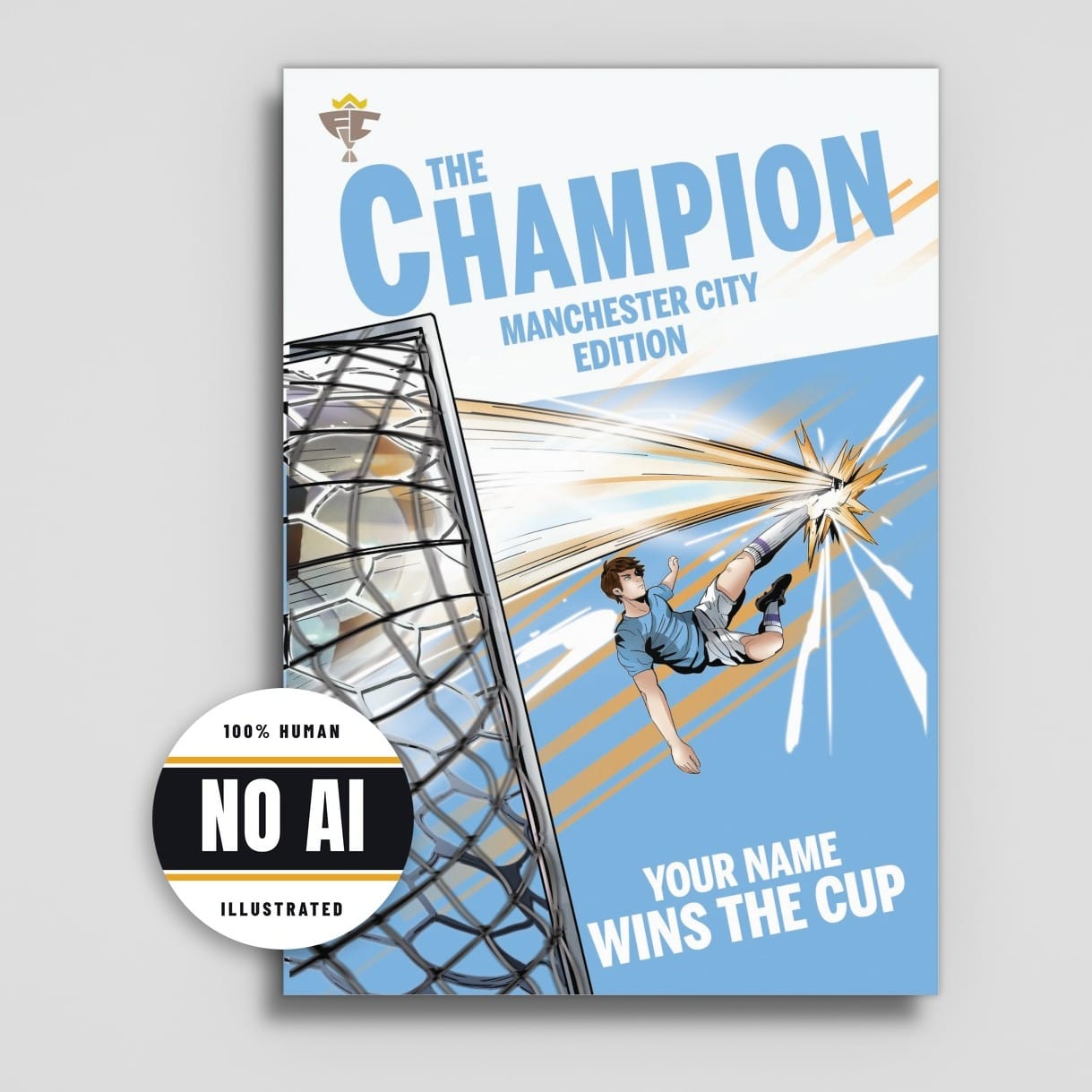 Make them the star of their club's storyA personalised, hand-drawn football book for more than 100 clubs. £24.95Find their club
If your child has asked about the Celtic kit history, the order of the changes is the interesting part.

What did the Celtic kit history start with?
A white shirt with a green collar. Celtic played their earliest matches in that, which looks nothing like the modern kit.
Green and white vertical stripes followed, and the horizontal hoops were adopted in the early twentieth century. They have been used ever since.
So the club went white, then stripes, then hoops, and stopped. Over a century with no further change.
Why are hoops so rare?
Because of how football shirts developed. Vertical stripes, halves and plain shirts dominated early football, and horizontal bands were much less common.
They also have a reputation, probably unfair, for making players look wider. Queens Park Rangers are the main English example, and there are few others at the top level.
That rarity is exactly why Celtic’s kit is so recognisable worldwide.
Does the Celtic kit history explain the green?
The green comes from the club’s Irish origins, which are also the source of the name and the Bhoys nickname.
Green in British football is a reliable signal of an Irish connection somewhere in a club’s founding. Hibernian in Edinburgh are the other clear case.
For a child, that is a useful pattern: the colour is a clue to where the club came from.
Have the hoops ever been dropped?
Not for the home shirt. The thickness of the bands and the shade of green have varied, and the away kits have gone in many directions, but the home design has been fixed for over a century.
Celtic sit with Juventus and a handful of others in the group of clubs whose kit is effectively untouchable.
What about numbers on the shirt?
Celtic were known for keeping squad numbers off the front of the hoops long after most clubs had added them, printing them on the shorts instead.
It is a small detail and supporters care about it a great deal. Adding anything to a design that has not changed since the 1900s causes complaint.
A kit that cannot be modernised
The strength of the hoops is that there is nothing to update. No pattern to refresh, no trim to restyle, no fashionable shade to chase.
That is why some of the oldest kit designs in football, Celtic’s hoops, Spurs’ white, Newcastle’s stripes, have outlasted every attempt to improve them.
Putting your child in the hoops
Once a child is attached to the kit, the next step is putting them in it. Our personalised football books put the child in the hoops with their own name and number.
Our guide to books by age covers 5 to 12, and the wider football books range includes Scottish clubs as well as English ones.
Our books for 12s guide is the quickest way to narrow it down.
More than 100 clubs
Make them the star of their club's story
- Their name and shirt number on the cover
- Hair colour, skin tone and eye colour to match them
- Your own message printed inside
- Every page hand-drawn by a human artist, with no AI artwork
For ages 5 to 12. Made to order for your child.
Frequently Asked Questions
What was Celtic’s first kit? A white shirt with a green collar.
When did the hoops arrive? In the early twentieth century, after a period in vertical stripes.
Why are hoops unusual? Horizontal bands were rare in early football and remain rare at the top level.
Has the home kit changed since? Only in shade and band thickness, never in design.
More on Celtic: the nickname.