

In short
- Boxing Day football exists for a dull reason: it was one of the only days working people got off.
- The tradition goes back to the late 1800s, just after the Football League formed in 1888.
- Football was played on Christmas Day too. The last one was in 1965.
- Boxing Day 1963 produced 66 goals across 10 First Division matches, including a 10-1.
- Fixtures tend to be picked for short journeys.
Boxing Day football is the one fixture list a child will plan their day around. It is also, if you look at why it exists, a story about working hours rather than about football.
 Make them the star of their club's storyA personalised, hand-drawn football book for more than 100 clubs. £24.95Find their club
Here is where Boxing Day football came from, why Christmas Day football disappeared, and how to watch it with children without losing the whole day.

Why is there Boxing Day football in England?
Because Boxing Day was a day off, and a day off was rare.
The tradition started in the late 19th century, shortly after the Football League was formed in 1888. Most working people had almost no holiday. Boxing Day was one of the few days they were not in a factory or a mill, so clubs put matches on and families came.
That is the whole mechanism. Not tradition for its own sake, not television money, just the one afternoon when enough people were free to fill a ground.
The habit outlived the reason. Working patterns changed completely, and the fixtures stayed.
When did Boxing Day football start?
The late 1800s for the first matches, and 1958 for the version we would recognise.
Boxing Day football grew through the 1890s and early 1900s as a normal part of the calendar. Setanta Sports puts the turning point later, noting that since 1958 Boxing Day has been the standout day for football across the UK.
That date is not a coincidence. It sits right where Christmas Day football was dying out, which left 26 December as the only festive matchday standing.
What does the name Boxing Day mean?
It is about giving boxes away, not about boxing.
The name comes from a medieval English practice of giving boxes of money, food or goods to the poor, to servants and to tradespeople. By the 16th century, wealthy families handed boxes to their staff on 26 December, because those staff had been working through Christmas Day itself serving everyone else.
Churches did a version of the same thing, opening their alms boxes on that day and sharing out what was inside.
It also falls on the Feast of St Stephen, 26 December. St Stephen was known for charitable work, which fits the day’s whole character. By the 19th century it was a recognised public holiday, and under Queen Victoria it was formally a day off for working people.
Sport attached itself quickly. Fox hunting, horse racing and cricket all claimed Boxing Day before football did.
Is there football on Christmas Day too?
No, and there has not been since 1965.
This surprises most people, including plenty of adults. Christmas Day football was ordinary for decades, and the fixtures were not minor ones either.
The last full Christmas Day league programme was in 1957. A teenage Jimmy Greaves scored four that day as Chelsea beat Portsmouth 7-4. Manchester United beat Luton 3-0, a result that reads very differently now: it came just six weeks before the Munich air disaster.
The very last Christmas Day match in England was at Bloomfield Road on 25 December 1965. Blackpool beat Blackburn Rovers 4-2, and one of the scorers was Alan Ball, who would lift the World Cup seven months later.
Three things killed the tradition:
- Public transport. Buses and trains had always run on Christmas Day in the first half of the century. In 1959 they stopped, which left players and supporters with no way of getting to a ground.
- Floodlights, which became common through the 1950s and meant a fixture could be moved to a Tuesday evening instead of being squeezed into a holiday.
- Television. Household ownership jumped in the late 1950s, and a warm front room beat a cold terrace.
So when a child asks why nobody plays on Christmas Day, the honest answer is that they used to, and then the buses stopped.
The most famous Boxing Day football matches
Boxing Day has a reputation for chaos, and the numbers back it up.
The best example is Boxing Day 1963. Across 10 First Division matches, 66 goals were scored. The headline result was Fulham beating Ipswich Town 10-1.
For something more recent, Tottenham beat Reading 6-4 in 2007, which is the sort of scoreline that only ever seems to happen in the week between Christmas and New Year.
Nobody has a clean explanation for why Boxing Day games go like this. Tired legs after a congested run of fixtures, squads rotated, defenders who had a big lunch the day before: take your pick. A child does not need the explanation, they just need to know that weird things happen on this date.
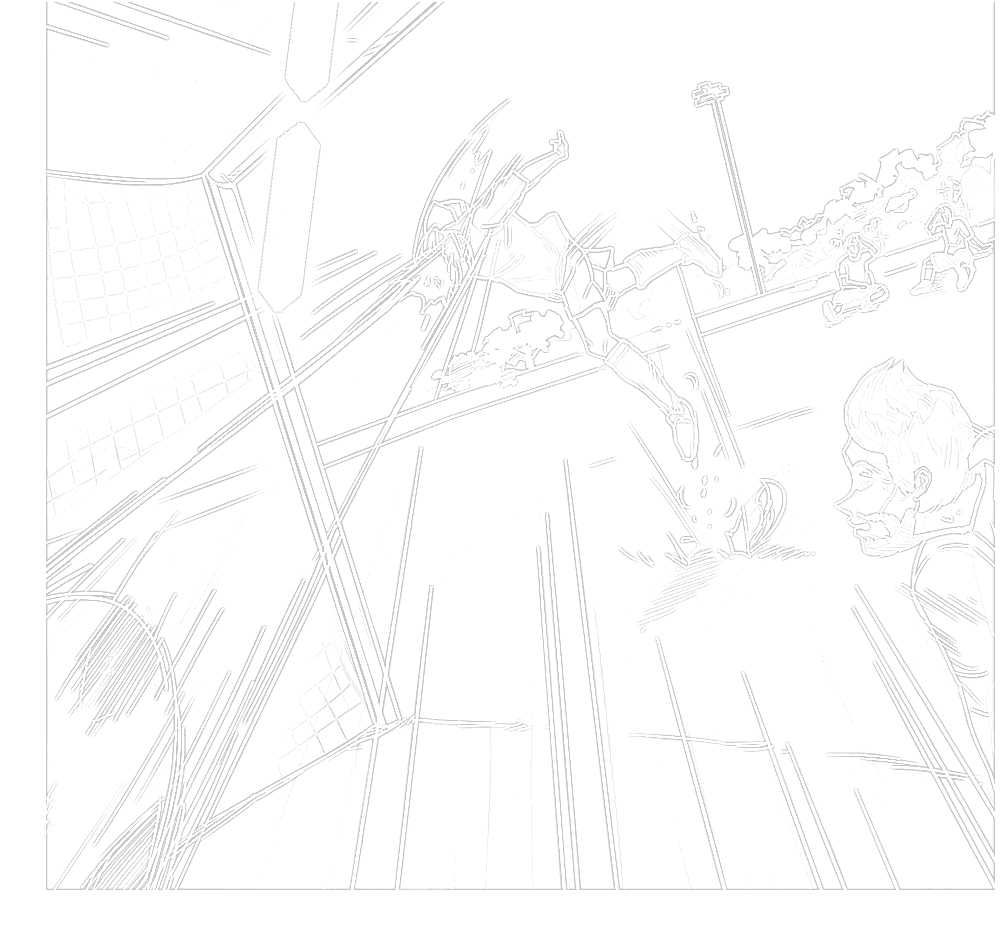
Why do Boxing Day games produce so many goals?
Nobody has proved a reason, and it is worth being straight with a child about that rather than inventing one.
What is measurable is the pattern. Boxing Day sits inside the only part of the English season where clubs play three or four matches in about ten days, and no other league in Europe does that. Squads get rotated, players who have had almost no rest start, and teams that would normally sit deep and defend simply cannot keep it up for 90 minutes.
The theories you will hear are tired legs, heavily rotated line-ups, and the general strangeness of a match played in front of a crowd that has been eating since Wednesday. All plausible, none settled.
So the fair version for a child is this: Boxing Day does not guarantee goals, but it has produced more silly scorelines than its share of the calendar suggests, and 1963 is the proof.
How do you make Boxing Day football work with young kids?
Treat it as a two-hour event rather than a whole day, and decide in advance which match is the one you watch properly.
What tends to work with children aged 5 to 12:
- Pick one match. Attempting a full day of fixtures with a 6 year old ends badly for everyone.
- Check kick-off times the week before. Festive fixtures move around for broadcast more than normal weekends do.
- If you are going to a ground, remember Boxing Day fixtures are usually chosen for shorter journeys, so an away game may be more realistic than usual.
- Have something for the gaps. Half-time with a restless child is long.
- Let them have a result to care about. A child watching a neutral match is a child asking when it finishes.
That last one matters more than the rest. Boxing Day football lands with children when their team is involved and they have something invested in it.
What to do if your club is not playing at home
Plenty of families do not have a fixture they can get to, and that is where the day can fall flat.
The thing that works is giving the child something of their own to do with the club rather than something to watch. Shirt on, a game in the garden at half time, the badge explained properly, the nickname explained properly.
It is also the gap a book fills, which is the honest reason this page exists. A match lasts 90 minutes. The thing they do between fixtures is what fills the rest of Boxing Day.
The Christmas gift that lasts past Boxing Day
Most football presents are finished by the 27th. A kit gets outgrown, a ball gets lost over a fence, an advent calendar gets eaten by the 24th.
Our comic football storybooks put your child into the story as the star player for their own club. You choose their name, their shirt number, and their hair colour, skin tone and eye colour so the character actually looks like them. There is a personal message printed inside the cover.
Every illustration is hand-drawn by a real artist, with no AI, ever. You can read why that matters to us on our page about hand-drawn illustrations.
We cover the Premiership, the Championship and EFL League 1, plus a growing Ladies range, so a child who supports a lower-league or women’s side is not left out the way they usually are. Start with our Christmas gift page, or browse all football gifts if you are still deciding.
They are not reading about the star player. They are the star player.


More than 100 clubs
Make them the star of their club's story
- Their name and shirt number on the cover
- Hair colour, skin tone and eye colour to match them
- Your own message printed inside
- Every page hand-drawn by a human artist, with no AI artwork
For ages 5 to 12. Made to order for your child.
Frequently Asked Questions
Why is there Boxing Day football in England? Because Boxing Day was a day off, and a day off was rare.
When did Boxing Day football start? The late 1800s for the first matches, and 1958 for the version we would recognise.
What does the name Boxing Day mean? It is about giving boxes away, not about boxing.
Is there football on Christmas Day too? No, and there has not been since 1965.